
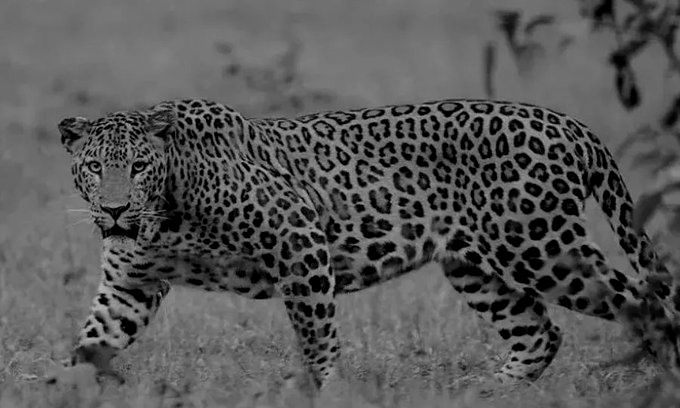
149 leopards die in Madhya Pradesh in 14 months, Road accidents top cause
A total of 149 leopards died in Madhya Pradesh over a 14-month period starting January 2025 , with road accidents emerging as the leading cause of mortality, according to data provided in response to a Right to Information (RTI) query.
The figures, cited by activist Ajay Dube , have raised concern among wildlife campaigners, who described the situation as a “grim reality”. However, forest department officials have said that the mortality rate remains within scientifically acceptable limits for big cats.
According to the data, 31 per cent of deaths were due to road accidents , including 19 fatalities on highways . Other causes included natural deaths such as old age and disease (24 per cent), intra-species conflict (21 per cent), and poaching or retaliatory killings (around 14 per cent). Additionally, eight leopards were killed due to electrocution either accidental or deliberate and two deaths were caused by snares , while the cause of death could not be determined in about nine per cent of cases .
Madhya Pradesh, which has the highest leopard population in the country at 3,907 (as per the 2022 Status of Leopards in India report), is also one of the key states where big cats are increasingly found in proximity to human settlements. Officials from the forest department said measures are being implemented to reduce fatalities, including construction of animal passages and underpasses on new road projects , installation of warning signage in high-risk zones , and enhanced patrolling along highways and forest fringes .
They also said efforts are underway to discourage the creation of water sources close to roads , as such facilities often attract wildlife and increase the risk of accidents. A roadmap is being developed in coordination with the National Tiger Conservation Authority (NTCA) to improve corridor safety and reduce human-wildlife conflict.
Despite these measures, activist Dube alleged that the deaths reflect a systemic failure in protecting leopards , particularly along linear infrastructure corridors, calling for stricter accountability and stronger implementation of conservation protocols. Forest officials, however, maintained that a certain level of mortality is natural and expected in wild carnivore populations, and said ongoing mitigation steps will further reduce avoidable deaths.