
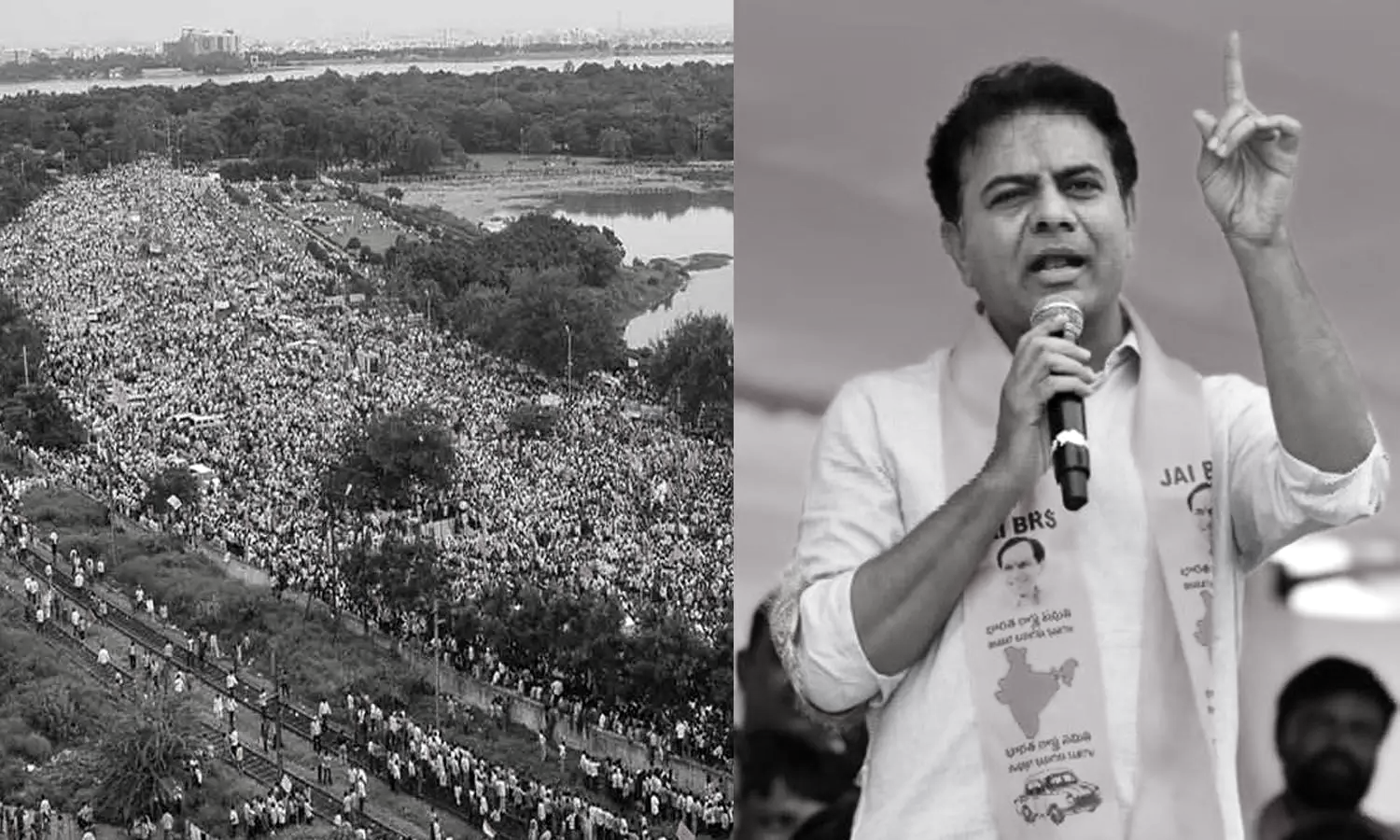
14 years strong, Telangana’s historic strike remembered
The Sakala Janula Samme, meaning “Strike of All People,” was a historic and unprecedented 42-day-long strike in Telangana in 2011 that became a turning point in the statehood movement. Unlike conventional protests, this strike was truly inclusive, drawing participation from farmers, teachers, government employees, students, traders, and ordinary citizens. Offices, schools, and institutions across Telangana came to a halt, demonstrating the sheer strength of public solidarity. The movement reflected the collective determination of the people to demand a separate state after decades of feeling marginalized within undivided Andhra Pradesh.
The strike was triggered by long-standing grievances of the Telangana region, including economic neglect, lack of employment opportunities, water disputes, and uneven development. Citizens felt that successive governments had ignored the region’s potential while favoring the coastal and Rayalaseema areas. K. Chandrashekhar Rao (KCR), the leader of Telangana Rashtra Samithi (TRS), mobilized public opinion by highlighting these injustices, organizing rallies, and urging every section of society to join the movement. The call for a united strike emphasized that Telangana statehood was not merely a political demand, but a collective aspiration of the people.
During the 42 days, participants faced challenges ranging from political pressure to intimidation and administrative hurdles, yet the strike largely remained peaceful. Slogans like “Aur Ek Dhakka, Telangana Pakka” echoed across towns and villages, symbolizing the unwavering resolve of the people. Schools and government offices were voluntarily closed, businesses paused, and yet, the movement maintained discipline and moral authority, which made it difficult for critics to dismiss it as a political stunt. The strike also demonstrated the power of civil resistance, showing how coordinated public action can bring regional issues to national attention.
The Sakala Janula Samme was not just a protest but a social and cultural mobilization. It united people across class, caste, and profession, creating a shared sense of identity and purpose. Farmers, students, workers, and professionals joined hands in a show of solidarity, breaking barriers that often divided society. This unity forced political leaders at the state and central level to take the Telangana issue seriously.
Critically, the strike exposed the limitations of the existing political system, where promises of development and equality were repeatedly unmet. It highlighted the importance of grassroots movements in shaping policy and the power of collective action to demand accountability. The movement also left a lasting legacy in Telangana politics, emphasizing the role of public participation and peaceful protest in achieving systemic change.
Ultimately, the Sakala Janula Samme paved the way for the creation of Telangana in 2014, fulfilling the long-cherished dream of millions. Even 14 years later, its memory remains alive as a symbol of unity, perseverance, and the transformative potential of organized civic action. Leaders like K.T. Rama Rao continues to recall it as a defining moment that demonstrated how determined citizens can reshape history and ensure justice for their region.