
12th–16th Century Inscriptions in Dharashiv Deciphered, Shedding Light on Chalukya Rule
Two ancient inscriptions discovered at Kavtha village in Dharashiv's Omerga tehsil have been successfully deciphered, offering fresh insights into the region’s historical and cultural legacy, a researcher said on Sunday.
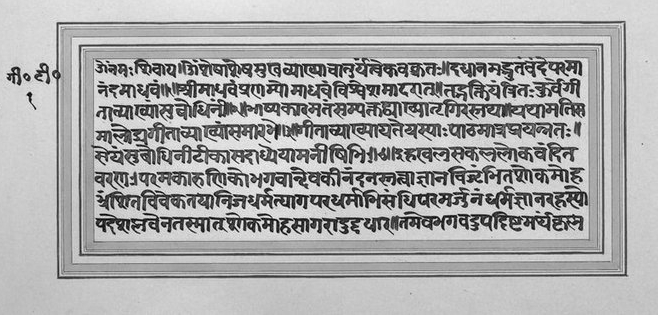
Located near an old Mahadev temple , the findings include a 77-line Hale Kannada inscription from the 12th century and a smaller, previously unnoticed Devanagari inscription dating to the 16th century.
The Kannada inscription, measuring approximately 210 cm in height , was deciphered by noted historian Dr. Devarakonda Reddy , president of the Karnataka History Academy. Research and fieldwork on both inscriptions were carried out by Krishna Gudade .
The 12th-century inscription begins with a eulogy to Lord Shiva and provides valuable details about the Chalukya dynasty . It traces the lineage from Satyashraya to Taila , who defeated the Parmar ruler Munja, and continues through Sattimdev, Ayyan, Jaysingh, and Trailokyamalla (Ahavamalla) , culminating with Vikramaditya VI . The record highlights the contributions of Brahmin minister Machiraja , who oversaw public welfare projects, including the construction of lakes, wells, temples, and rest houses . It also notes the building of a stone temple dedicated to Kalideva , significant land grants, and donations including tax revenues from nearby villages made during a solar eclipse on October 24, 1101 . The inscription was narrated by poet Kalidas , inscribed by Jogan Shetty , and engraved on stone by Madaras .
The Devanagari inscription, dated January 9, 1516 , records that Ramdas constructed a stepwell, named ‘Shivalaya’ , near the temple and undertook renovation work. The record emphasizes that the contributions were generous and dedicated to Lord Krishna , reflecting the role of local patrons in sustaining religious sites over centuries.
According to Gudade, these inscriptions enrich the documented history of Kavtha , revealing details of administrative systems, taxation, religious practices, and temple traditions from the 12th to 16th centuries. The research project was supported by Amol Bankar, Vikrant Mandpe, Ajinkya Shahane, Dr. Madhavi Mahake, Gajanan Bhosale, and Shrikrishna Bevanale .