
$10 trillion countdown: India’s make-or-break moment
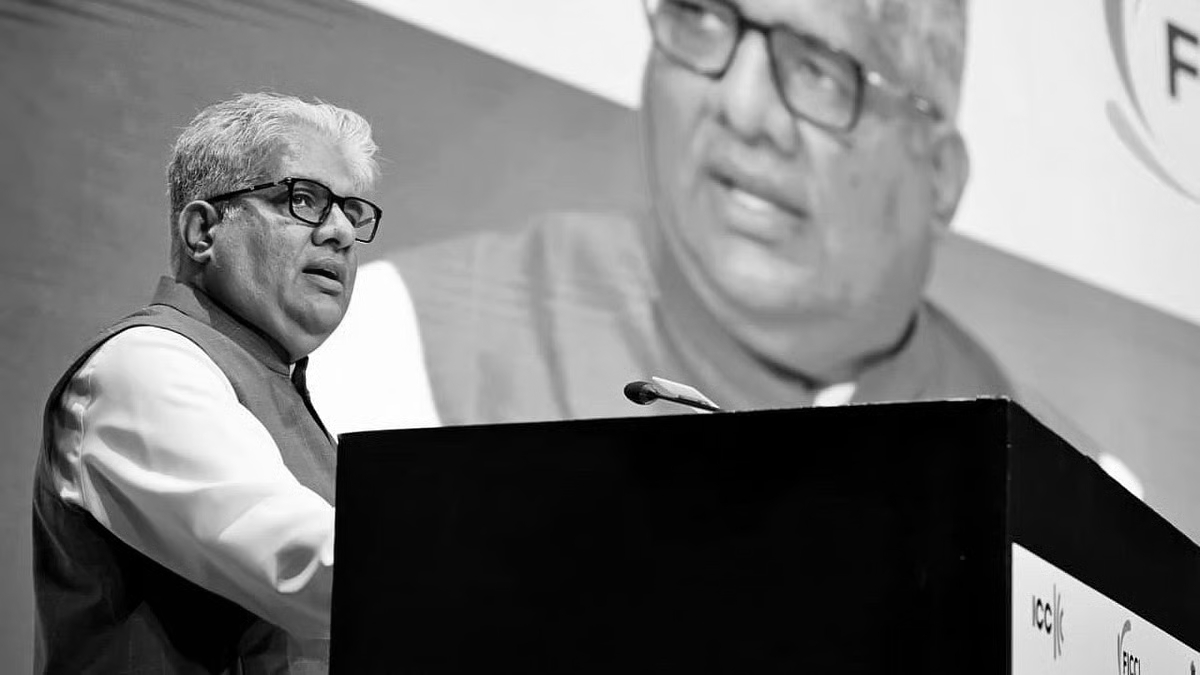
India stands at a crucial juncture in its fight against climate change, with the clock ticking toward 2070, when the nation aims to reach net-zero carbon emissions. Union Environment Minister Bhupender Yadav has stressed that climate finance is the defining challenge of this journey. According to him, India will need over USD 10 trillion( $10 trillion equals roughly ₹830 trillion) to fund clean energy, climate-smart agriculture, resilient infrastructure, and urban transformation. The challenge is not only financial but also moral: developed nations have a responsibility to support the global south in its transition to low-carbon economies.
Public funding alone, Yadav explains, will not suffice. The scale of the problem demands unlocking private capital while maintaining transparency, accountability, and affordability. Initiatives like sovereign green bonds, blended finance, and high-integrity carbon markets under Article 6 of the Paris Agreement are being leveraged to attract investments. By linking carbon credit trading with India’s long-term climate goals, billions of dollars could flow into mitigation projects, technology transfer, and capacity building.
The minister highlighted India’s progress under Prime Minister Narendra Modi’s leadership, including the largest renewable energy expansion programme globally, a thriving startup ecosystem, and a young workforce eager to innovate. The Green Credit Programme and RBI estimates suggest that India will invest over Rs 85 trillion by 2030 to align industries with climate norms. Yadav emphasized that green finance is not a niche but the backbone of competitive, resilient economies.
Ultimately, the stakes are existential. Without adequate financing, future generations face greater climate uncertainty, resource scarcity, and environmental degradation. India’s green transition is framed as both an economic and moral imperative,putting people at the centre, creating jobs, supporting farmers and MSMEs, and protecting vulnerable communities. As Yadav warns, failing to mobilize climate finance is not just a policy failure,it is a failure of ethical responsibility, a choice between the comfort of today and the survival of tomorrow.
India’s journey to $10 trillion in climate investment is a make-or-break moment, defining not just its energy future, but the legacy it leaves for generations to come.