
₹10 and ₹20 Notes May Get a Plastic Makeover as RBI Begins Polymer Currency Trials
Nearly a decade after demonetisation triggered one of India’s biggest currency replacement exercises, the country is preparing for another experiment with its banknotes, this time by changing the material they are made from.
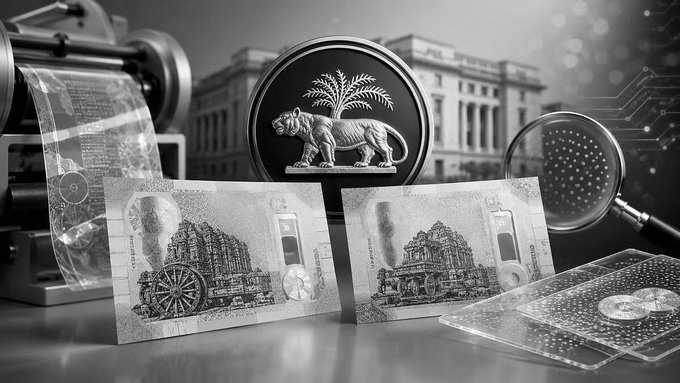
The government has approved the RBI’s field trials of polymer banknotes in ₹10 and ₹20 denominations, with one billion notes of each denomination planned. They will circulate alongside existing paper notes, with no plan to completely replace paper currency at present.
The main reason is durability. ₹10 and ₹20 notes are among the most frequently handled denominations, moving through shops, markets, transport and everyday transactions. Repeated use leaves paper notes dirty, crumpled, torn and worn out, increasing the need to withdraw and replace them.
Polymer notes are designed to resist water, dirt, tearing and repeated handling, potentially giving them a longer circulation life. They can also carry specialised security features, making counterfeiting harder.
But this is not simply about using ordinary plastic. Bharatiya Reserve Bank Note Mudran Pvt Ltd (BRBNMPL), RBI’s currency-printing arm, has floated a global Expression of Interest for around 68,000 reams of opacified polymer substrate sheets with security features. The EOI opened on July 17 and closes on August 18.
The required material is BOPP-based polymer substrate incorporating features such as a clear window, metallic elements, magnetic pseudo-thread, shadow imagery and an iridescent pattern.
Crucially, simply making polypropylene, polyethylene or PVC does not make a company eligible. Bidders are required to demonstrate relevant experience, including at least three years of supplying polymer substrate with security features to a central bank or banknote/security-printing organisation.
This could make companies such as Reliance Industries, IndianOil, Jindal Poly Films, Cosmo Films and UFlex worth watching. Adani Enterprises, which is expanding into petrochemicals and PVC, is another emerging name, but PVC is different from the BOPP-based material required for the currency trial. No company has yet been publicly confirmed as the selected supplier.
The move is fundamentally different from 2016 demonetisation, when ₹500 and ₹1,000 notes lost legal-tender status to tackle counterfeit currency, black money and terror financing. The new Mahatma Gandhi series also brought redesigned ₹10 and ₹20 notes. Demonetisation removed notes; this trial aims to make frequently used notes last longer.